

October 7, 2025
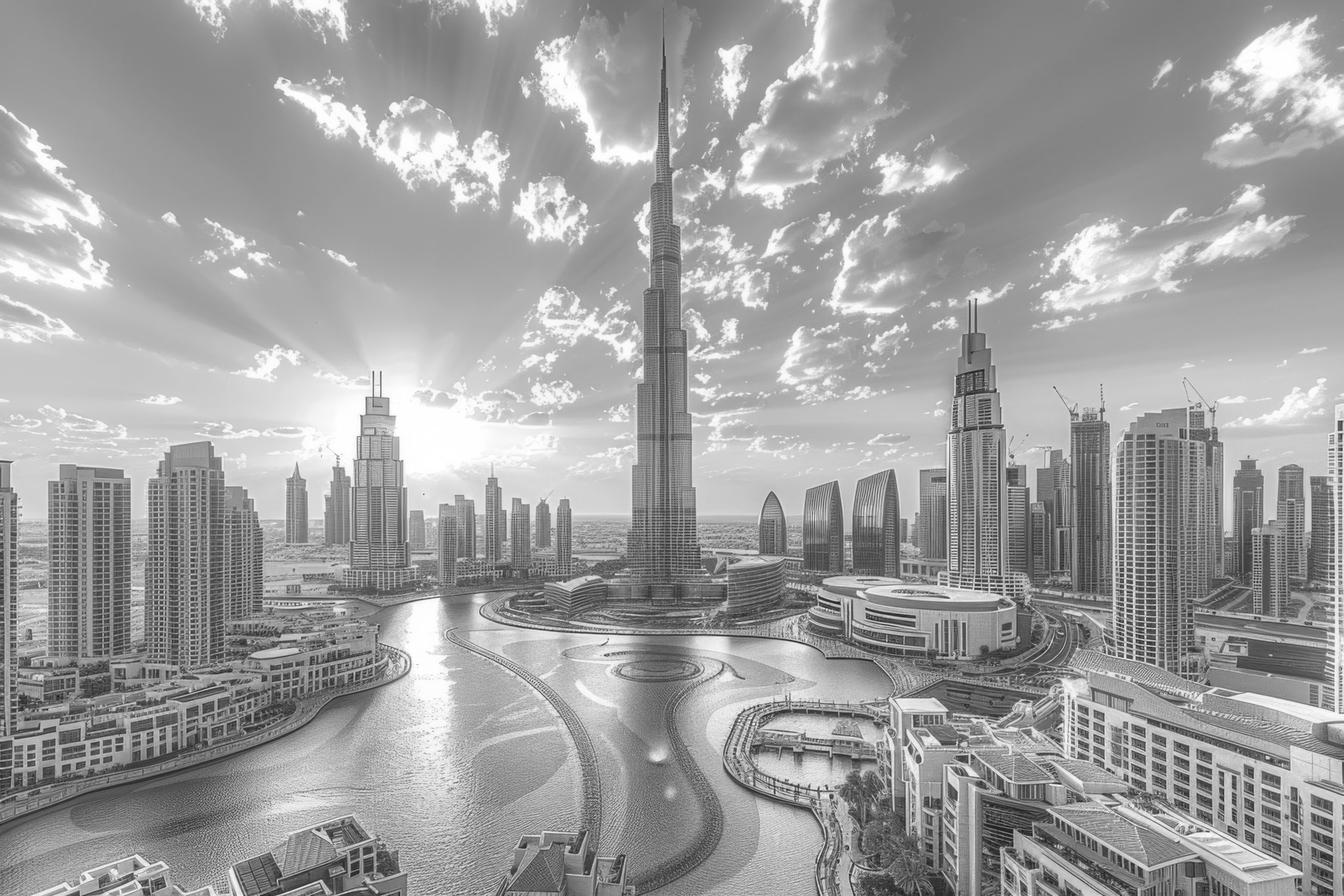
Pull up a chair, grab a karak chai, and let’s talk about the story behind the skyline. Dubai has seen the frenzy, the fallout, and the phenomenal recovery. To understand where we are today, and more importantly, where we’re going, we have to first understand where we came from.
So, let’s rewind the tape past the gleaming towers of Downtown and the palm-shaped islands, to a time when the city’s most prominent feature was the creek.
The Foundations: A Modest Beginning
Before the skyscrapers, there was the creek. For decades, Dubai’s real estate was confined to its shores. Property was primarily owned by local families and trading communities. The concept of a “market” as we know it didn’t truly exist; transactions were private, and ownership was limited to GCC nationals. The city was a bustling regional trading port, but its physical footprint was humble. If you look at photos from the 1980s, the World Trade Centre, standing alone at 149 meters, was a bold statement of ambition in a low-rise landscape. This was the quiet before the storm.
The Catalyst: A Visionary Decree
The true genesis of the modern Dubai real estate market can be pinpointed to a single, revolutionary moment: May 2002. This was when His Highness Sheikh Mohammed bin Rashid Al Maktoum, then Crown Prince, issued a decree that would change the face of the city forever. It allowed non-GCC foreigners to own property in designated areas, called freehold zones.
This wasn’t just a policy change; it was an invitation to the world. Suddenly, investors from Europe, Russia, India, and the UK had a tangible, lucrative stake in Dubai’s future. Master developers like Emaar and Nakheel emerged, transforming vast tracts of desert into iconic communities. Emaar launched the Downtown Dubai project, with the soon-to-be-iconic Burj Khalifa at its heart. Nakheel dreamed up the Palm Jumeirah and The World islands—projects so audacious they captured the global imagination.
The Boom: Building the Impossible
From 2002 to 2008, Dubai entered a period of hyper-growth. Cranes became the official bird of the emirate. Off-plan sales were the name of the game, with investors flipping properties on floor plans alone. There was an palpable, electric energy. It felt like everyone, from taxi drivers to international hedge funds, was talking about real estate. Prices soared, supply exploded, and Dubai cemented its reputation as a place that turned science fiction into reality.
The Correction: A Global Lesson
Then, 2008 happened. The global financial crisis hit Dubai hard. The engine of credit that fuelled the boom seized up. Almost overnight, the music stopped. Projects were put on hold, property values plummeted by over 50% in some areas, and the talk shifted from flipping to fallout. It was a sobering, painful, but necessary correction. It taught the market—and all of us in it—crucial lessons about speculation, sustainability, and regulation.
The Rebirth: A Mature, Resilient Market
The years following 2010 were not just about recovery; they were about rebuilding smarter and stronger. The government took decisive action: introducing robust regulatory bodies like the Dubai Land Department (DLD) and the Real Estate Regulatory Agency (RERA), laws protecting investors, and clearer title deeds. This injected a new level of transparency and confidence.
The market that emerged was different. It was more mature, more resilient. Growth was driven less by speculative fever and more by genuine demand from end-users, expatriates making Dubai their long-term home, and a growing tourism sector. The Expo 2020 win in 2013 was a massive vote of global confidence, sparking a new, more sustainable wave of development focused on infrastructure and community living.
The Present & Future: A New Chapter of Stability
Today, as we look out at a skyline dotted with cranes once again, the market is fundamentally different. We’ve seen record-breaking transactions in the post-COVID era, but underpinned by solid factors: massive economic growth, a successful Expo 2020 legacy, progressive visa reforms (like golden visas and retirement visas), and Dubai’s status as a safe-haven destination. The focus has shifted from just building taller to building smarter—sustainable communities, integrated townships, and a high quality of life.
The history of Dubai real estate is a mirror of the emirate itself: ambitious, resilient, and constantly evolving. It’s a story of vision, the courage to open its doors to the world, learning from sharp lessons, and building a stable, world-class market.
For any investor or end-user today, understanding this history is key. It tells you that this is a market that has been stress-tested and has emerged stronger. It’s a market built not on sand, but on a foundation of visionary leadership and relentless adaptation.
And if the last two decades have taught us anything, it’s that in Dubai, the next chapter is always the most exciting.
Until next time,