

October 7, 2025
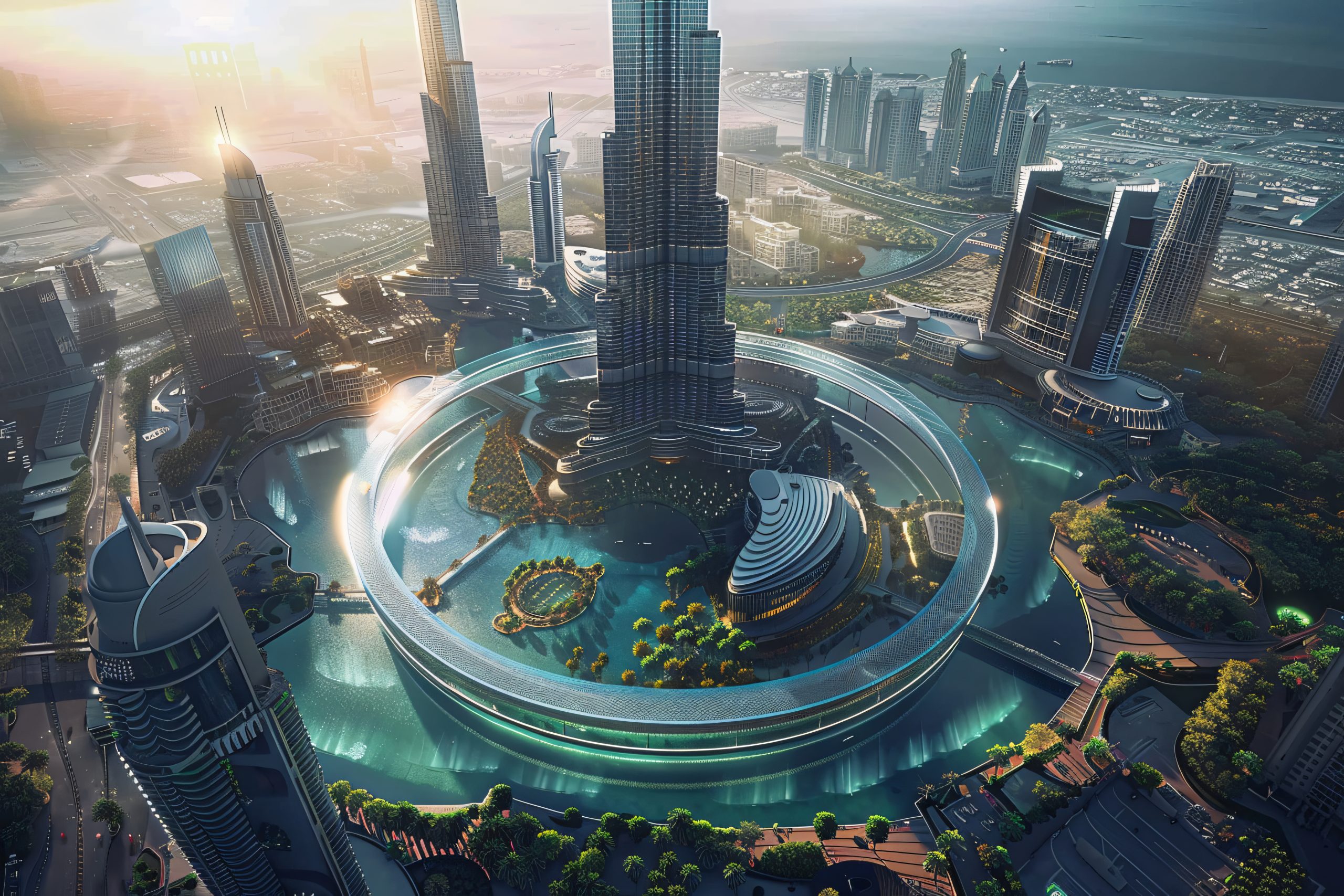
If you’ve lived in Dubai for more than a few years, you’re accustomed to change. Skylines morph, new communities blossom from the desert, and the map of the city is constantly being redrawn. But what we’ve seen so far is merely a prelude. The most transformative phase of Dubai’s growth is not in its past, but directly in its future, guided by the master blueprint: the Dubai Urban Master Plan 2040.
Forget short-term fluctuations. To truly understand the long-term trajectory of property here, we need to look at this visionary plan. It’s not just a real estate strategy; it’s a comprehensive design for the future of urban life. So, let’s dive into what 2040—and the stepping stone of Dubai 2030—holds for homeowners, investors, and residents.
The Grand Vision: Dubai 2040 in a Nutshell
Unveiled by His Highness Sheikh Mohammed bin Rashid Al Maktoum, the Dubai 2040 Urban Master Plan is the seventh such plan in the emirate’s history and by far the most ambitious. Its core pillars are:
What does this mean for real estate? Everything.
The Decentralization of Prime Real Estate
For two decades, the mantra was “location, location, location,” with prime meaning Downtown, Dubai Marina, or Palm Jumeirah. 2040 is set to redefine “prime” by creating five major urban centres, each with its own unique identity and economic engine:
The Investment Takeaway: Don’t just look at the established peaks. The next wave of high growth is likely in these emerging centres, particularly Expo City and its surrounding areas. Off-plan projects in these strategic corridors align directly with the government’s long-term capital allocation.
The Green Revolution: Sustainability as a Value Driver
The plan mandates a whopping 200% increase in public parks and natural reserves. Green spaces and parks will no longer be a luxury amenity; they will be a standard expectation. Furthermore, the plan emphasizes:
The Investment Takeaway: Properties in communities that offer lush greenery, walkability, and easy access to parks and beaches will see a significant premium. Think Tilal Al Ghaf, Al Barari, and the upcoming developments on the Dubai Islands. “Sustainable living” will transition from a buzzword to a core valuation metric.
Economic Diversification & Niche Communities
The 2040 plan is inextricably linked to Dubai’s economic diversification strategies (like D33). As the city grows its focus on sectors like tech, finance, logistics, and clean energy, it will attract a specific, high-skilled demographic.
This demand will fuel the growth of specialized communities. We’re already seeing this with Dubai Silicon Oasis, Dubai Healthcare City, and the rise of Dubai Hills Estate as a family-centric hub. The future will bring more integrated towns designed for specific lifestyles—wellness communities, tech-enabled smart cities, and hubs for creative industries.
The Investment Takeaway: Align your investment with the economic wave. Properties that cater to the families and professionals in these high-growth sectors will enjoy stable, long-term rental demand and capital appreciation.
The Bridge to 2040: What to Expect by 2030
The 2040 vision will be built in phases. By 2030, we can expect:
Final Thoughts: A Future Built on Stability
The Dubai 2040 plan is the ultimate safeguard for real estate investors. It moves the market away from speculative cycles and towards fundamental, planned growth. It provides a clear, government-backed roadmap for where the city is putting its resources and energy for the next two decades.
For those looking to invest, the message is clear: look beyond the next quarterly report. Look at the map of 2040. The areas being highlighted today are the future pillars of this city. Investing in line with this vision isn’t just a bet on real estate; it’s a bet on the continued evolution of one of the world’s most dynamic cities.
The future of Dubai real estate is planned, it’s green, and it’s incredibly bright.
Until next time,
